

Basics of Cloud Computing
What is cloud computing?
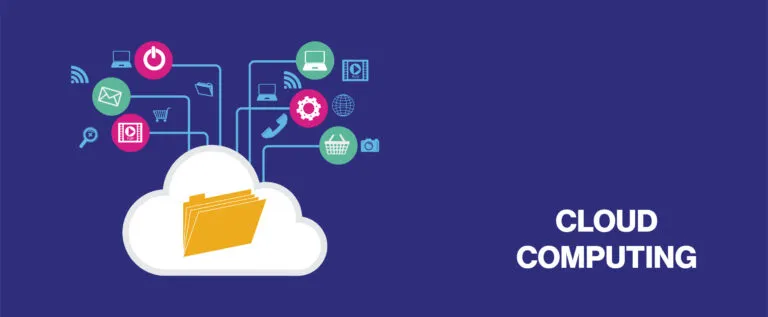
The term cloud refers to the internet or an intranet over which data can be stored, accessed, and processed on remote servers rather than local servers. Cloud computing services could be used by companies for data storage, data analytics, networking, software, and a lot more. The National Institute of Standards and Technology (NIST) defines cloud computing as follows:
“ Cloud computing is a model for enabling ubiquitous, convenient, on-demand network access to a shared pool of configurable computing resources (e.g., networks, servers, storage, applications, and services) that can be rapidly provisioned and released with minimal management effort or service provider interaction. “.
Why use cloud computing?
- Cloud computing eliminates the need for the standard IT infrastructure a lot of the companies needed to establish their services.
- By switching to the cloud, you eliminate the expense of having to purchase the actual hardware and software of the servers, and the space needed to store and run them that may end up being underutilized.
- Cloud also offers the flexibility to scale your services as needed.
- Provides higher performance and reliability.
Characteristics of cloud computing
Cloud computing platforms have the following five powerful characteristics that allow them to deliver the advantages of using a cloud system.
1. On-Demand Self Service
The first main characteristic of Cloud services is that they can be immediately accessed whenever you need them by using the internet connection. No further interactions with your cloud providers are needed to reach your resources therefore they meet the self-service characteristic. This allows you to save time and money as you can work independently.
2. Broad network access
Due to the cloud service being provided via standard networks, this provides ubiquitous network access as you can access, launch, and monitor the needed services from a simple internet connection on any device such as mobile phones, laptops, among others.
3. Resource pooling
Cloud computing resources are organized in clusters that are shared among several customers. When needed a cluster is acquired to the customer and then released back to the resource pool to be used by another consumer after they are done. Therefore, multiple clients may be provided with a service using the same physical resource.
4. Rapid elasticity
This characteristic refers to the cloud computing service being able to scale up or scale down according to the need and demands of your organization. This is one of the strongest characteristics of cloud services as the resources needed are available according to your demand and therefore it discards the need to purchase additional hardware or software resources to handle an expansion in demand that may not be present later.
5. Measured Service
As the cloud services are metered for every consumer, they are characterized as Pay-Per-Use services which allow you to only pay for the services you consumed according to your monitored account. This helps you eliminate the extra cost of having to purchase and maintain underutilized physical servers.
Deployment Models
There are several types of cloud deployment models based on the need for privacy, scale, and purpose of the cloud. Organizations may find the need to deploy using one or more of these deployment models.
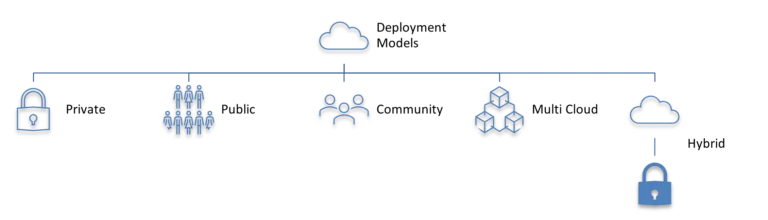
Private
Private denotes that the hardware you need to run your cloud would be owned by you, only be used by your organization, and not shared with others. This deployment model offers the following advantages:
1. Exclusive resources to your organization as they are not multi-tenant
2. Increased customer security and privacy of their information as private clouds maintain a higher degree of isolation
3. Better Control on the custom properties of the hardware and infrastructure of your cloud as you would be able to tailor it to your specific need.
Public
Public deployment models mean you will be able to leverage the computing services using the shared hardware and software over the internet.
Public clouds support multitenancy which refers to them being used by multiple users and therefore are owned by the service provider and not any of the consumers. Public clouds offer the following advantages:
1. No required purchase of the hardware or software thereby deducting the costs significantly
2. Does not require maintenance as this is the responsibility of the service provider
3. No need to manage the infrastructure.
Community
The community deployment model is similar to the public model, yet it is only accessed by a limited group of consumers that may share a certain need or task or serve a specific purpose. The main advantages of deploying on a community cloud are as follows:
1. They can be customized according to the shared need of the organizations or users in the community.
2. They are more cost-effective than owning the hardware and software by a single organization
3. They provide more security than public clouds as the access is limited to the community group.
4. Can be managed by a third party or a group of users from the community.
Multi-Cloud
Multi-Clouds refer to deploying on several clouds with different cloud providers and having them work together seamlessly. This deployment model contains advantages as follows:
1. Having your pick from a broader range of features provided by the different cloud providers.
2. Although it is a rare occurrence, if one of the cloud providers' services become unavailable, users implementing multi-clouds would not be solely depending on them.
Hybrid
Hybrid clouds combine the public and private cloud implementation and allow the transfer of data between them. The advantages of using a Hybrid model include:
1. More secure than public clouds because data is isolated properly.
2. Implements the pay per use, so it is more cost-efficient than having to purchase the resources.
3. Provides more flexible solutions and control.
Delivery Models
As defined by The National Institute of Standards and Technology (NIST) there are three main delivery models provided by cloud computing:
Software as a service (SaaS)
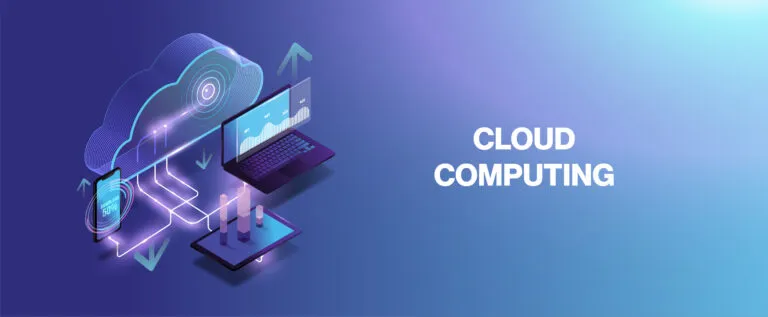
SaaS is where you are provided with an application service over the cloud via internet browsers. They eliminate the need to download and maintain the applications on several platforms as they can all be accessed from the cloud service. Using SaaS gives the organization unlimited scalability if a number of employees were to grow as they can be managed as additional subscriptions on the application.
They also are a pay per use or per subscription which makes them affordable and more convenient to several businesses. In addition, there is no need for the users to patch or update their applications as they are done automatically and continuously by the provider.
SaaS also provides pervasive application delivery which allows the subscribers to access the application through mobile devices or desktops.
Infrastructure as a service (IaaS)
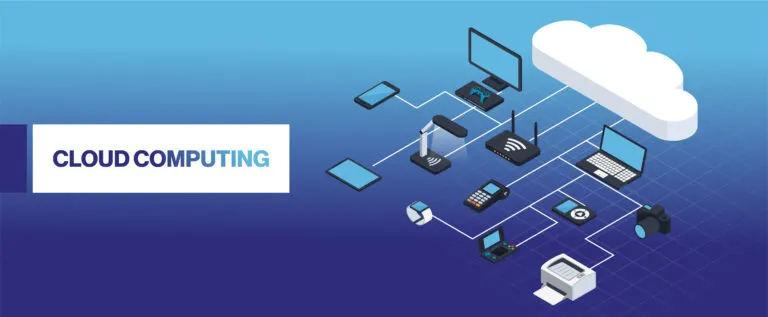
IaaS is where the cloud provider is responsible for hosting the hardware and software for storage and servers and creating the needed environment for the user. IaaS providers maintain the infrastructure typically available in data centres.
Using IaaS providers would shift the otherwise expensive cost of purchasing and maintaining the hardware and software of the servers to operational expenses as the cost is calculated with use.
IaaS also gives the user the flexibility to choose the deployment model as it supports the public, private and hybrid models.
Platform as a service (PaaS)
PaaS delivery model provides a platform for users to develop, test, deploy and host applications. By using PaaS developers would not need to handle the cost of installing software and hardware necessary for development.
PaaS also provides scalability and contains many of the needed tools necessary for a development environment.
Conclusion
In this blog, we have discussed the basics that define cloud computing and the reasons to adopt them in your organization. We have also listed the 5 powerful basic characteristics of cloud computing, the 5 different deployment models and the 3 main delivery models.