
Design Patterns

BLOG
X
min read

What are design patterns?

Design patterns are general solutions providing a way to solve problems that commonly arise during software development. These solutions are proven through tests, trial and errors to be effective in improving overall code efficiency and readability. A design pattern is a template or a general concept that a developer can apply while developing a software, it is not a solution that can be transformed directly into code.

Why use design patterns?

Using design patterns to aid with development can help improve code quality, accelerate the process, and prevents the need to create a new pattern every time a design problem arises.

Types of design patterns

According to a book titled ‘Design Patterns - Elements of Reusable Object-Oriented Software’ published in 1994 by four authors (Known as Gang of Four) there are 23 different design patterns. These design patterns can mainly be classified into three categories:

  • Creational Design Patterns
  • Structural Design Patterns
  • Behavioral Design Patterns

Each category is different in terms of complexity, level of detail and the scale of system being designed.

Creational Design Patterns

Creational Design Patterns tackles how to handle the creation of new objects. These patterns increase flexibility and reusability of code.

Examples of creational design patterns include:

  • Factory Method Pattern
  • Singleton Pattern
  • Prototype Pattern

Structural Design Patterns

Structural Design Patterns focuses on how objects connect and relate with one another. These patterns help create structures using multiple objects and classes.

Examples of structural design patterns include:

  • Facade Pattern
  • Adapter Pattern
  • Composite Pattern
  • Proxy Pattern
  • Decorator Pattern

Behavioral Design Patterns

Behavioral Design Patterns addresses how each object has a different purpose and work towards a common goal. These patterns focus mainly on the communication between objects and responsibility distribution between one object and the other.Examples of behavioral design patterns include:

  • Template Method Pattern
  • Chain of Responsibility Pattern
  • Command Pattern
  • Observer Pattern
  • Strategy Pattern

Differences between similar design patterns

Strategy Pattern Vs Factory Method Pattern

Strategy Pattern

The Strategy design pattern is a type of behavioral design patterns that is used when representing multiple objects each having a different strategy of performing a behavior. In this pattern there is a context object that preforms that behavior based on desired strategy.

UML Diagram
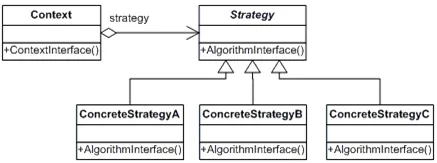
Figure 1 Khosravi, Khashayar & Guéhéneuc, Yann-Gaël. (2022). A Quality Model for Design Patterns.

When to use Strategy Pattern?

This pattern can be used when needed to switch between different variations of algorithms performing a certain behavior on runtime.

Advantages Disadvantages
Easily alternate between different strategies on runtime Clients must know the different strategies and when to use the appropriate one
Makes code cleaner by separating different functional logic into different classes (each class has a different strategy) Increased number of objects in an application

Example:

// ParkingStratetgy.java

public interface ParkingStratetgy {

public int parkCar(int carLicenseNumber);

}


// ParrallelPark.java

public class ParrallelPark implements ParkingStratetgy {

@Override

public String parkCar (int carLicenseNumber){

return “Car with license plate: “+carLicenseNumber+” parked parallelly”;

}

}


// PerpendicularPark.java

public class PerpendicularPark implements ParkingStratetgy {

@Override

public String parkCar (int carLicenseNumber){

return “Car with license plate: “+carLicenseNumber+” parked perpendicularly”;

}

}


// ParkingSpace.java

public class ParkingSpace {

private ParkingStratetgy parkingStratetgy;


public parkCar (ParkingStratetgy parkingStratetgy){

this. parkingStratetgy = parkingStratetgy;

}


public String parkCar(int carLicenseNumber){

return parkingStratetgy. parkCar(carLicenseNumber);

}

}


//StrategyPatternDemo.java

public class StrategyPatternDemo {

public static void main(String[] args) {

ParkingSpace parkingSpace = new ParkingSpace(new PerpendicularPark ());

System.out.println(parkingSpace. parkCar (123));


parkingSpace =new ParkingSpace (new ParrallelPark ());

System.out.println(parkingSpace. parkCar (756));

}

}


//Output

// Car with license plate: 123 parked perpendicularly

// Car with license plate: 756 parked parallelly


Factory Method Pattern

The Factory Method design pattern is a type of creational design patterns that is used to create an object by defining an interface that lets subclasses decide on the object type being created. This pattern abstracts creation logic from the clients.

UML Diagram
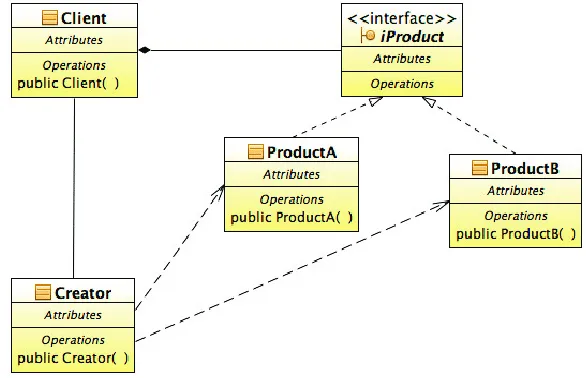
Figure 2 Fojtik, Rostislav. (2014). Design Patterns in the Teaching of Programming. Procedia - Social and Behavioral Sciences. 143. 10.1016/j.sbspro.2014.07.493.

When to use Factory Method Pattern?

This pattern can be used when wanting a class to differ instantiation to its subclasses rather than the class itself.

Advantages Disadvantages
Provides loose coupling Increased number of integrated classes
Easier addition of new classes In some cases, clients must subclass the creator class to create a concrete product object.

Example:

//Notification.java
public interface Notification {    
	void notifyUser();
}

//SMSNotification.java
public class SMSNotification implements Notification {

	@Override    
	public void notifyUser()    
	{        
		// TODO Auto-generated method stub        
		System.out.println("Sending an SMS notification");    
	}
}

//EmailNotification.java
public class EmailNotification implements Notification {    

	@Override    
	public void notifyUser()    
	{        
		// TODO Auto-generated method stub        
		System.out.println("Sending an e-mail notification");    
	}
}

//PushNotification.java
public class PushNotification implements Notification {    

	@Override    
	public void notifyUser()    
	{        
		// TODO Auto-generated method stub        
		System.out.println("Sending a push notification");    
	}
}

//NotificationFactory.java
public class NotificationFactory {    
	public Notification createNotification(String channel)    
	{        
		if (channel == null || channel.isEmpty())            
			return null;        
		switch (channel) {        
		case "SMS":            
			return new SMSNotification();        
		case "EMAIL":            
			return new EmailNotification();        
		case "PUSH":            
			return new PushNotification();        
		default:            
			throw new IllegalArgumentException("Unknown channel "+channel);        
		}    
	}
}

//NotificationService.java
public class NotificationService {    
	public static void main(String[] args)    
	{        
		NotificationFactory notificationFactory = new NotificationFactory();        
		Notification notification = notificationFactory.createNotification("SMS");
		notification.notifyUser();    	
	}
}


Similarities between Strategy Pattern and Factory Method Pattern

Both patterns have a main class that lets subclasses or implementation classes determine the way this main class works. In the case of Factory method pattern subclasses hold the creational logic of the main class. While in Strategy pattern, classes that implement the main class determine the behavior of certain functionalities of the main class.

Differences between Strategy Pattern and Factory Method Pattern

Strategy Pattern Factory Method Pattern
Behavioral pattern, used to implement certain operations in different ways depending on the object type Creational pattern, used to create objects of different types
Based on delegation Based on Inheritance

Composite Pattern Vs Decorator Pattern

Composite Pattern

The Composite design pattern is composing objects into tree structures, allowing clients to interact with separate objects and compositions of objects in a similar matter.

UML Diagram
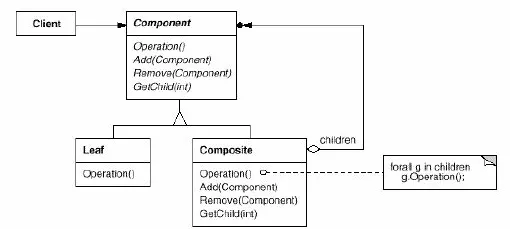
Figure 3 Chirila, Ciprian-Bogdan & Crescenzo, Pierre & Lahire, Philippe. (2005). Towards Reengineering: An Approach Based on Reverse Inheritance. Application to Java.

When to use Composite Pattern?

This pattern can be used when needed to treat a group of objects the same way as a single object.

Advantages Disadvantages
Can be expanded easily Challenging implementation of component interfaces
Accurately represents heavily nested object structures Adjustment of composite properties is complicated

Example:

//Department.java
public interface Department {    
	void printDepartmentName();
}
//FinancialDepartment.java
public class FinancialDepartment implements Department {

	private Integer id;    
	private String name;    

	public void printDepartmentName() {        
		System.out.println(getClass().getSimpleName());    
	}
}
//SalesDepartment.java
public class SalesDepartment implements Department {    

	private Integer id;    
	private String name;    

	public void printDepartmentName() {        
		System.out.println(getClass().getSimpleName());    
	}

}
//HeadDepartment.java
public class Head
Department implements Department {   
	private Integer id;    
	private String name;    

	private List childDepartments;    

	public HeadDepartment(Integer id, String name) {        
		this.id = id;        
		this.name = name;        
		this.childDepartments = new ArrayList<>();    
	}    

	public void printDepartmentName() {        
		childDepartments.forEach(Department::printDepartmentName);    
	}    

	public void addDepartment(Department department) {        
		childDepartments.add(department);    
	}    

	public void removeDepartment(Department department) {
		childDepartments.remove(department);    
	}
}


Decorator Pattern

The Decorator design pattern is wrapping a class with another class that provides additional functionalities without altering the original class methods signatures.

UML Diagram
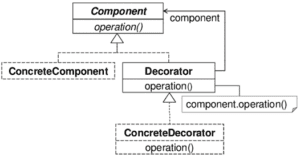
Figure 4 Kniesel, Günter & Binun, Alexander & Chatzigeorgiou, Alexander & Guéhéneuc, Yann-Gaël & Tsantalis, Nikolaos. (2009). DPDX - A Common Exchange Format for Design Pattern Detection Tools.

When to use Decorator Pattern?

This pattern is mainly used to alter project code to add functionalities without changing the existing core classes. It can also be used when wanting to reduce the number of classes needed to offer a combination of behaviors.

Advantages Disadvantages
Functionalities are resource optimized Challenging debugging process
Readable program code Uses high number of objects

Example:

//VisitEngine.java
public interface VisitEngine {    
	String getEngineeringOfficeId();    
	String getEngineeringOfficeCityId();    
	int getRemainingCapacity();    
	List calculateVisits();
}

//GroupOneDecorator.java
public class GroupOneDecorator implements VisitEngine {    
	private VisitEngine engine;    
	private int groupCapacity;    
	private Queue groupOneLicenses;    
	private int remainingCapacity;    
	private List generatedVisits;    

	public GroupOneDecorator(VisitEngine engine, int groupCapacity, Queue groupOneLicenses) {        
		this.engine = engine;        
		this.groupCapacity = groupCapacity;        
		this.groupOneLicenses = groupOneLicenses;        
		generatedVisits = new ArrayList<>();    
	}    

	@Override    
	public List calculateVisits() {        
		List calculatedVisits = this.engine.calculateVisits();      
		generatedVisits.addAll(calculatedVisits);        
		remainingCapacity += groupCapacity;        
		return generatedVisits;    
	}    
	
	@Override    
	public String getEngineeringOfficeId() {        
		return engine.getEngineeringOfficeId();    
	}    
	
	@Override    
	public String getEngineeringOfficeCityId() {        
		return engine.getEngineeringOfficeCityId();    
	}    

	@Override    
	public int getRemainingCapacity() {        
		return remainingCapacity;    
	}    
	
	public int getGroupCapacity() {        
		return this.groupCapacity;    
	}
}


//GroupTwoDecorator.java
public class GroupTwoDecorator implements VisitEngine {    
	private VisitEngine engine;    
	private int groupCapacity;    
	private Queue groupTwoLicenses;    
	private int remainingCapacity;    
	private List generatedVisits;    

	public GroupTwoDecorator(VisitEngine engine, int groupCapacity, Queue groupTwoLicenses) {      
		this.engine = engine;        
		this.groupCapacity = groupCapacity;        
		this.groupTwoLicenses = groupTwoLicenses;        
		this.generatedVisits = new ArrayList<>();    
	}    

	@Override    
	public List calculateVisits() {        
		List calculatedVisits = this.engine.calculateVisits();        
		this.groupCapacity += engine.getRemainingCapacity();
		generatedVisits.addAll(calculatedVisits);        
		remainingCapacity = groupCapacity;        
		return generatedVisits;    
	}    

	@Override    
	public String getEngineeringOfficeId() {        
		return engine.getEngineeringOfficeId();    
	}    

	@Override    
	public String getEngineeringOfficeCityId() {        
		return engine.getEngineeringOfficeCityId();    
	}    

	@Override    
	public int getRemainingCapacity() {        
		return remainingCapacity;    
	}
}


Similarities between Decorator Pattern and Composite Pattern

Both patterns aim to embed objects within another. The composite pattern embeds classes in a tree like structure while decorator pattern a class embeds another by wrapping to provide extra functionalities.

Differences between Decorator Pattern and Composite Pattern

Composite Pattern Decorator Pattern
Combine and represent multiple objects as one. (Can have a one-to-many relationship).

Enhances a single object.
(Is a one-to-one relationship).

Focuses on aggregation and representation of objects. Designed to add functionalities and embellish an object.

Modernizing Legacy Apps​

Maecenas mollis sagittis ante, eleifend ultricies sapien. Nam ultricies risus et augue auctor vulputate gravida eget sem. Quisque mollis gravida magna, eu semper eros pharetra in. Sed et elit sit amet odio rutrum consectetur vel vel ante. Praesent vitae elementum lacus. Vivamus efficitur nunc tortor, cursus lobortis purus placerat ut. Maecenas ut aliquet ante, vel finibus lorem. Nulla facilisi. Donec maximus elementum pulvinar.

test heading

h1 text

h3

Impact

Sample article featured image
Pellentesque posuere sem in ipsum venenatis, at bibendum lorem aliquam. Nullam condimentum tempus orci nec commodo. Maecenas malesuada elementum metus, non aliquam est elementum sed. Integer ac finibus ligula, id venenatis lectus. Mauris non eleifend enim. Pellentesque eu congue justo. In ornare dapibus nisi, sit amet feugiat neque. Vivamus mollis, lectus quis gravida viverra, risus ligula congue felis, ut laoreet sem nisi in tortor. Sed vel ligula nulla.
“Quisque mollis purus nec pulvinar rutrum. Duis faucibus sed orci vel pellentesque. Interdum et malesuada fames ac ante ipsum primis in faucibus. Donec non volutpat eros, nec placerat mi. Praesent porta felis ut urna sagittis, sit amet placerat nisl porttitor.”

Nunc tempor molestie velit id dictum. Aenean ac venenatis ipsum, sit amet sodales tortor. Pellentesque habitant morbi tristique senectus et netus et malesuada fames ac turpis egestas. Pellentesque posuere sem in ipsum venenatis, at bibendum lorem aliquam.

Nullam condimentum tempus orci nec commodo. Maecenas malesuada elementum metus, non aliquam est elementum sed. Integer ac finibus ligula, id venenatis lectus. Mauris non eleifend enim. Pellentesque eu congue justo. In ornare dapibus nisi, sit amet feugiat neque. Vivamus mollis, lectus quis gravida viverra, risus ligula congue felis, ut laoreet sem nisi in tortor. Sed vel ligula nulla.

data-acc-source-start

Ensure that Modernizing your Legacy Application is the Right Decision

Our expert consultants work closely with you to understand you organization's business drivers, then conduct an in-depth business goals and that every dollar invested is directed towards the right solution

Depend on a Tailored, Phased Application Modernization Strategy

Our expert consultants work closely with you to understand you organization's business drivers, then conduct an in-depth business goals and that every dollar invested is directed towards the right solution

Streamline the Transition from Old to New

Our expert consultants work closely with you to understand you organization's business drivers, then conduct an in-depth business goals and that every dollar invested is directed towards the right solution

data-acc-source-end

Lorem ipsum dolor sit amet, consectetur adipiscing elit. Curabitur elementum, elit a pellentesque placerat, nisl quam blandit orci, at maximus eros nunc nec lacus. Nullam euismod consequat libero, eget suscipit ligula lacinia nec. Nunc finibus dapibus quam, eu convallis magna. Nulla finibus ut risus in sodales. Cras tristique nisi non mattis volutpat. Nullam venenatis varius nisl, dictum ornare lorem dictum rhoncus. Nulla sem nunc, lobortis et massa sed, ultrices convallis justo. Quisque laoreet nibh sit amet arcu rhoncus accumsan. Proin at elementum lacus, at maximus mi. Curabitur vulputate urna mollis lacinia auctor. Donec venenatis finibus magna id tempor. Duis at mattis odio. Aenean eu tempus justo. Donec est arcu, vulputate quis risus et, pharetra imperdiet velit.

Vivamus ut dignissim quam.

No items found.
Article carousel image 1
Article carousel image 2
Article carousel image 3
Author
Yomna Anwar
Posted on
23 Aug 2022
We’re your partner in addressing

real human needs.

Align IT Initiatives with Strategic Business Goals
Plus sign iconMinus sign icon
10X
Increase in transactions
per second

Heading 1

Heading 2

Heading 3

Heading 4

Heading 5
Heading 6

Lorem ipsum dolor sit amet, consectetur adipiscing elit, sed do eiusmod tempor incididunt ut labore et dolore magna aliqua. Ut enim ad minim veniam, quis nostrud exercitation ullamco laboris nisi ut aliquip ex ea commodo consequat. Duis aute irure dolor in reprehenderit in voluptate velit esse cillum dolore eu fugiat nulla pariatur.

Block quote

Ordered list

  1. Item 1
  2. Item 2
  3. Item 3

Unordered list

  • Item A
  • Item B
  • Item C

Text link

Bold text

Emphasis

Superscript

Subscript

Modernizing Legacy Apps​

Maecenas mollis sagittis ante, eleifend ultricies sapien. Nam ultricies risus et augue auctor vulputate gravida eget sem. Quisque mollis gravida magna, eu semper eros pharetra in. Sed et elit sit amet odio rutrum consectetur vel vel ante. Praesent vitae elementum lacus. Vivamus efficitur nunc tortor, cursus lobortis purus placerat ut. Maecenas ut aliquet ante, vel finibus lorem. Nulla facilisi. Donec maximus elementum pulvinar.

Impact

Sample article featured image
Pellentesque posuere sem in ipsum venenatis, at bibendum lorem aliquam. Nullam condimentum tempus orci nec commodo. Maecenas malesuada elementum metus, non aliquam est elementum sed. Integer ac finibus ligula, id venenatis lectus. Mauris non eleifend enim. Pellentesque eu congue justo. In ornare dapibus nisi, sit amet feugiat neque. Vivamus mollis, lectus quis gravida viverra, risus ligula congue felis, ut laoreet sem nisi in tortor. Sed vel ligula nulla.
“Quisque mollis purus nec pulvinar rutrum. Duis faucibus sed orci vel pellentesque. Interdum et malesuada fames ac ante ipsum primis in faucibus. Donec non volutpat eros, nec placerat mi. Praesent porta felis ut urna sagittis, sit amet placerat nisl porttitor.”

Nunc tempor molestie velit id dictum. Aenean ac venenatis ipsum, sit amet sodales tortor. Pellentesque habitant morbi tristique senectus et netus et malesuada fames ac turpis egestas. Pellentesque posuere sem in ipsum venenatis, at bibendum lorem aliquam.

Nullam condimentum tempus orci nec commodo. Maecenas malesuada elementum metus, non aliquam est elementum sed. Integer ac finibus ligula, id venenatis lectus. Mauris non eleifend enim. Pellentesque eu congue justo. In ornare dapibus nisi, sit amet feugiat neque. Vivamus mollis, lectus quis gravida viverra, risus ligula congue felis, ut laoreet sem nisi in tortor. Sed vel ligula nulla.

data-acc-source-start

Ensure that Modernizing your Legacy Application is the Right Decision

Our expert consultants work closely with you to understand you organization's business drivers, then conduct an in-depth business goals and that every dollar invested is directed towards the right solution

Depend on a Tailored, Phased Application Modernization Strategy

Our expert consultants work closely with you to understand you organization's business drivers, then conduct an in-depth business goals and that every dollar invested is directed towards the right solution

Streamline the Transition from Old to New

Our expert consultants work closely with you to understand you organization's business drivers, then conduct an in-depth business goals and that every dollar invested is directed towards the right solution

data-acc-source-end

Lorem ipsum dolor sit amet, consectetur adipiscing elit. Curabitur elementum, elit a pellentesque placerat, nisl quam blandit orci, at maximus eros nunc nec lacus. Nullam euismod consequat libero, eget suscipit ligula lacinia nec. Nunc finibus dapibus quam, eu convallis magna. Nulla finibus ut risus in sodales. Cras tristique nisi non mattis volutpat. Nullam venenatis varius nisl, dictum ornare lorem dictum rhoncus. Nulla sem nunc, lobortis et massa sed, ultrices convallis justo. Quisque laoreet nibh sit amet arcu rhoncus accumsan. Proin at elementum lacus, at maximus mi. Curabitur vulputate urna mollis lacinia auctor. Donec venenatis finibus magna id tempor. Duis at mattis odio. Aenean eu tempus justo. Donec est arcu, vulputate quis risus et, pharetra imperdiet velit.

Vivamus ut dignissim quam.

No items found.
Article carousel image 1
Article carousel image 2
Article carousel image 3
Author
This is some text inside of a div block.
Posted on
This is some text inside of a div block.
Topics